
For a small team or a solo marketing leader, a single campaign can quickly become a long list of deliverables. Utilizing Canva for marketing assets can make it easier to create polished materials without adding a complicated design workflow. We’ll be honest: at Seventh Scout, there are times we use Canva. We use it to support graphic design, client collaboration, and to make sure that marketing materials stay consistent when they are handed off from us to clients or partners. It gives teams a practical way to work together while keeping their visual content aligned.
That doesn’t mean every design belongs in Canva. Adobe Illustrator, Photoshop, InDesign, and other specialized tools still have a place! The useful question is: Which tool fits the work, the team, and the timeline?
Graphic design starts with a clear system
Canva is accessible, but a template alone doesn’t guarantee effective graphic design. The work still needs to reflect the brand: its colors, typography, imagery, tone, and priorities.
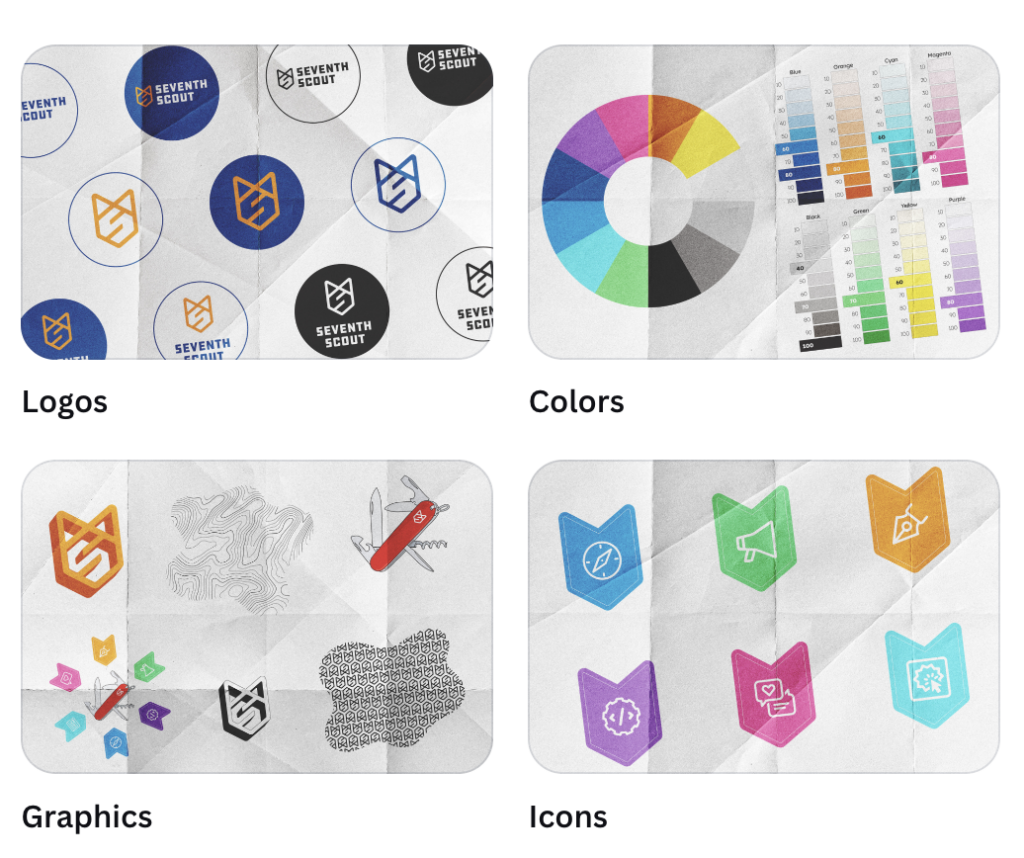
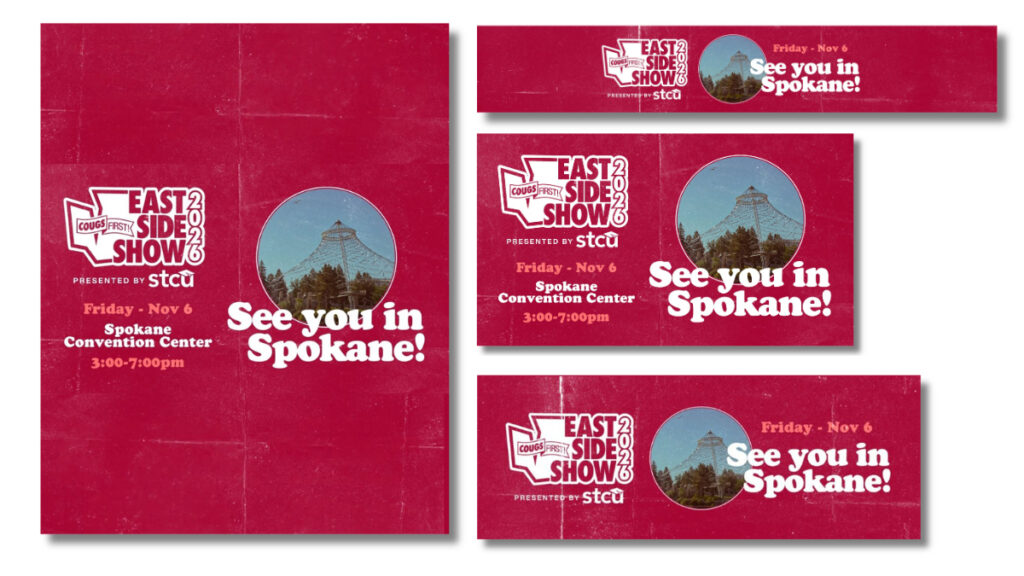
We begin with those fundamentals, then build materials that feel connected across formats. A campaign might include social graphics, digital ads, a presentation, or a one-page handout. When those pieces share a visual system, an audience can recognize the brand even as the message and format change.
The system matters even more when a business has highly specific brand standards or multiple sub-brands underneath. There needs to be a place to organize approved logos, colors, imagery, and templates by brand, plus make it clear which assets belong together. A shared workspace is only useful if the people using it can find the right materials and know when (and when not) to use them.
This is especially useful for businesses without an in-house designer. A reusable template can provide a sole marketing leader with a dependable starting point while leaving room to adjust the content for a particular audience or channel. Using Canva for marketing works best when design choices are intentional, and the template supports a broader strategy.
Client collaboration and marketing collaboration
Canva can make client collaboration more straightforward by giving people a shared place to review designs, leave feedback, and work from current materials. That can reduce the back-and-forth involved in collecting files and help everyone stay aligned.
It can also support marketing collaboration within a small team. Shared templates provide guardrails for fonts, colors, logos, and layouts. Team members can update a date, headline, photo, or call to action without rebuilding the whole design each time. That makes it easier to keep graphic design consistent as more people contribute.
Plus, marketing rarely stays in one lane. A graphic created for Instagram may also need to appear in a newsletter. A LinkedIn PDF carousel might become a Facebook page post. The content should feel like it comes from the same brand, but each version needs a layout, size, and amount of text that works for its channel.
Our agency’s Canva certifications reflect more than familiarity with the platform. We’ve taken the time to become certified in Canva Essentials and Marketing with Canva, courses that cover Canva’s design and collaboration tools as well as ways to apply them to branding, social content, and advertising. We’re committed to continually learning the tools and approaches that can better serve our clients’ needs. That means evaluating how a platform fits each client’s team, goals, and workflow, and using it when it helps us create strong work and collaborate more effectively.
These courses have strengthened our ability to use Canva thoughtfully as part of that process!
Choosing Canva (or a specialized design tool)
Canva is a strong fit for many repeatable marketing materials: social graphics, simple presentations, digital ads, flyers, and campaign variations. It can help a team create and update everyday assets while keeping them aligned.
Some projects call for more specialized tools. Complex vector illustrations, detailed image retouching, advanced print production, and highly customized layouts may require Adobe or another professional design application, something our communication designer Eve is well equipped to handle as well. The right choice depends on what the finished piece needs to do.
That’s why we treat Canva as part of a flexible toolkit. It can support graphic design, client collaboration, and marketing collaboration for everyday work, while a true designer can bring in other tools when the project calls for them.
Don’t let the features drive the design
Canva offers plenty of tools, apps, effects, and ever-changing AI features. It can be tempting to try as many as possible, but just because you can doesn’t mean you should. Not every design needs animation, integration, or AI enhancement.
Start with the goal: What does your audience need to understand, feel, or do? Then choose the features that help them get there. Cleaning up a speaker’s audio in a video serves a clear purpose. Adding an effect that distracts from the message may work against it. For most audiences, a clear graphic that explains a service or makes the next step easy can be more effective than a flashy design.
Create with more confidence
You don’t need to be a graphic designer or have full graphic design support to build a foundation for useful, attractive marketing materials. You do need a clear brand identity, a thoughtful template, and a process for reviewing the work before it goes out. That foundation makes graphic design more manageable and provides a shared starting point for marketing collaboration.
Where is marketing getting stuck for your business? Whether you need an agency to take on execution or want to connect more channels with the support you already have, let’s talk. Connect with us to talk about marketing materials that feel polished, consistent, and true to your brand.